
Agricultural spare parts reliable
Many farmers searching for cost-effective solutions often ask, Are used agricultural spare parts reliable? With the rising prices of machinery and maintenance, it is natural to explore more affordable alternatives when replacing essential components. Used or second-hand parts are widely available in salvage yards, online marketplaces, auctions, and repair shops. While they can be a practical choice in some situations, their reliability depends on several important factors. Understanding how used Agricultural Spare Parts perform compared to new ones can help farmers make smarter decisions that balance cost, performance, and long-term durability.
One reason farmers consider used parts is affordability. New components, especially genuine or OEM parts, can be expensive. Used parts, on the other hand, are often available at a fraction of the cost. For older machinery, used components may even be the only option, especially when original parts are discontinued or difficult to source. For farmers working within strict budgets, purchasing second-hand Agricultural Spare Parts can be a practical way to keep machines running without significant financial strain. However, low cost alone does not guarantee reliability.
The condition of the used part is one of the biggest factors influencing its reliability. Some used parts come from machines that were well-maintained, lightly used, or damaged in areas unrelated to the component being sold. These parts may still be in excellent working condition and perform reliably for years. On the other hand, parts removed from heavily worn or neglected machinery may already be close to failure. Since farming equipment is exposed to heavy workloads, extreme weather, dust, and moisture, even used parts that look good on the surface may have hidden wear. Therefore, carefully inspecting or testing used Agricultural Spare Parts before purchasing them is essential for ensuring reliability.
Another aspect to consider is the type of part being purchased. Certain components, such as frames, housings, non-moving brackets, or metal structures, tend to last longer and have minimal wear even after years of use. These parts are generally safer to purchase second-hand because their functionality does not degrade quickly. More complex parts, however, such as hydraulic pumps, bearings, injectors, electronic sensors, and engine components, undergo constant stress and have shorter lifespans. Buying these parts used can be risky because even minor wear can lead to sudden failure. Understanding which Agricultural Spare Parts are suitable for reuse and which should be purchased new makes a big difference in reliability.
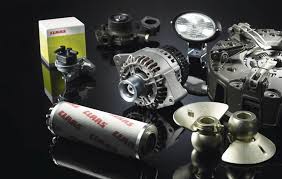
Are used agricultural spare parts reliable?
The source of the used part is also important. Reputable sellers, such as certified salvage yards, authorized resellers, or trusted repair shops, often test and grade used components before selling them. Some even offer short warranties or return policies, giving buyers more confidence in their purchase. These sellers typically clean, inspect, and categorize parts based on wear levels, making it easier to choose reliable options. In contrast, buying used Agricultural Spare Parts from unverified individuals or poorly organized markets carries more risk. Without proper inspection or documentation, it is difficult to know whether the part has been damaged, repaired incorrectly, or taken from incompatible machinery.
Compatibility is another factor that affects reliability. Machines sometimes undergo variations between models, production years, or regional versions. Using the wrong part—even if it appears similar—can lead to fitting issues or compromised performance. When buying used parts, ensuring they match the exact model, serial number, and specifications of your equipment is crucial. Reliable Agricultural Spare Parts must be compatible mechanically and functionally with the machine they are intended for. This is why verifying part numbers and consulting manuals or experts remains essential even when buying second-hand.
While used parts can be reliable under the right circumstances, they often come with a shorter remaining lifespan compared to new components. Even high-quality parts naturally wear out over time. A used component may function well initially but fail earlier than expected simply because it has already experienced years of use. For critical machinery involved in heavy-duty operations—such as combine harvesters, tractors, and balers—this reduced lifespan can lead to inconvenient and costly breakdowns. For this reason, farmers must weigh the savings of used Agricultural Spare Parts against the potential risk of downtime during peak seasons.
In some cases, buying used parts can actually extend the life of older machinery that would otherwise be impossible to maintain. Many older farm machines no longer have new parts available, making used components the only practical option. This is particularly useful for farmers who prefer machines that are simple to repair or suited to specific tasks. In such situations, the reliability of used parts depends heavily on careful selection and sourcing from trusted suppliers.
Ultimately, the reliability of used agricultural spare parts depends on their condition, type, compatibility, and the credibility of the seller. When sourced carefully, inspected properly, and matched correctly, used parts can offer dependable performance and significant cost savings. However, for critical components or machinery relied upon during urgent farming operations, new parts are often the safer choice. By understanding the strengths and limitations of used Agricultural Spare Parts, farmers can make informed decisions that balance budget concerns with long-term reliability and efficiency.